
SOLUTION DYE: A DYEING PROCESS THAT USES FEWER RESOURCES

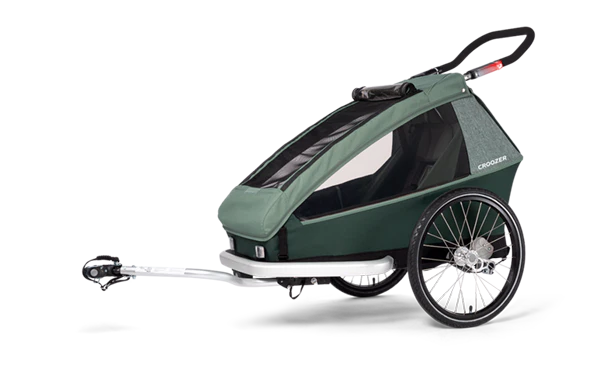
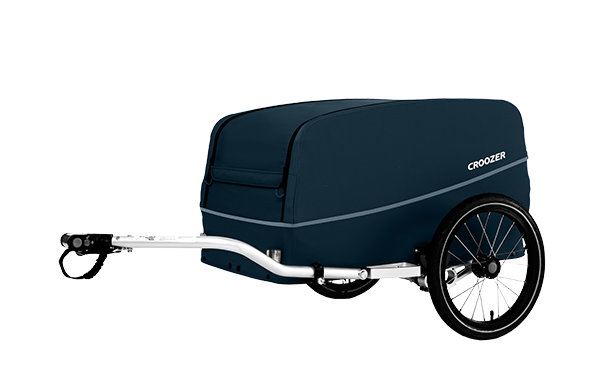
We are gradually switching the dyeing of the textiles used in our bicycle trailers and accessories to solution dyeing. Where the technical requirements and required quantities are met, we are already using this process.

In solution dyeing, the colour pigment is incorporated during the fibre manufacturing process. This distinguishes the process from traditional dyeing methods, in which the finished textile is dyed at a later stage.

HOW DOES SOLUTION DYE DIFFER FROM TRADITIONAL DYEING PROCESSES?

In conventional dyeing processes, the finished textile is dyed in a subsequent stage. With solution dyeing, however, the colour is incorporated into the fibre itself.

This eliminates the need for the subsequent dyeing process. Depending on the material and the method being compared, this can reduce the use of water, energy and chemicals.

WHY DO WE USE SOLUTION DYE?

For us, solution dye is a concrete step towards reducing resource consumption in the manufacture of our textiles.

However, we are not switching all the textile components of our products over at once. For some materials, the required minimum quantities cannot yet be achieved, whilst for others the process is still in the technical development stage.

We are pleased to be able to take this step already and are working to further increase the proportion of solution-dyed materials in our products.

HOW EXACTLY DO THE TWO DYEING METHODS DIFFER?

For those who need a more detailed description: With the conventional piece-dyeing method, the entire sheet of fabric is dyed, meaning that the dye is only deposited on the outside of the fibres and does not completely permeate them. This can lead to more rapid fading or bleaching, particularly after longer periods of use.
In solution-dyeing, the pigment is added to the liquid state of the fibre components, i.e. the fibres are produced with the desired colours. This technique prevents future bleaching and fading, ensuring that the fabrics will look fresh and new for a much longer period of time.

Sustainable color dyeing process comparison - piece dye vs solution dye for eco-friendly fabric production

For long-term use

Solution dyeing makes our fabrics significantly more resistant to fading, ensuring that they will keep their colour, or only start to lose their intensity after extremely intensive exposure to the sun’s rays for many consecutive years!

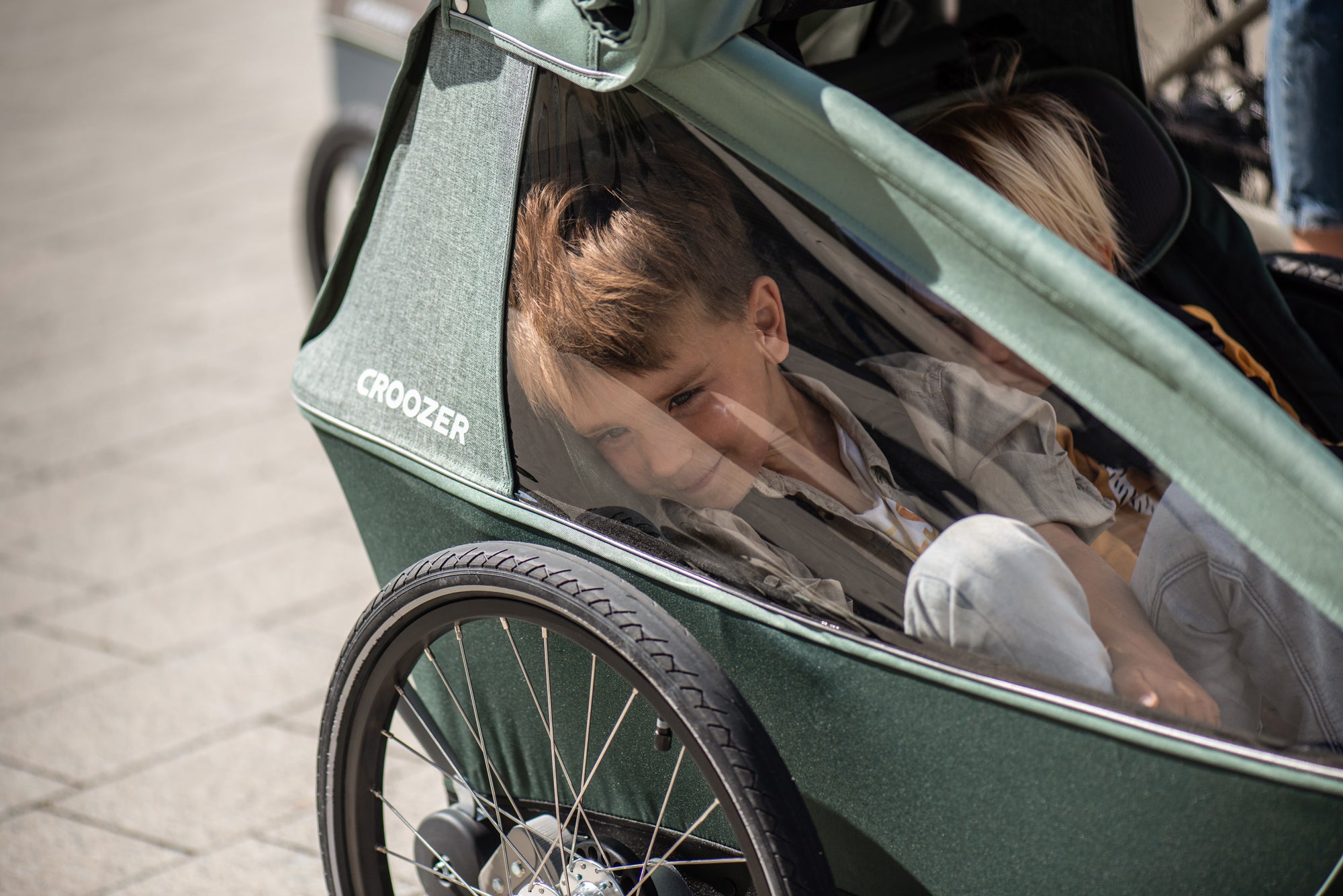
Happy smiling boy enjoying view from Croozer Kid bike trailer

ARE THE PIECE-DYED FABRIC COMPONENTS OF CROOZER BICYCLE TRAILERS TOXIC?

No need to worry – all of our products are tested for safety, going above and beyond the legal requirements! Including the textile components and accessories that are not, or not yet, solution dyed. You can find more information under Tests & Certificates!